About GPPS Acrylik Sheet
GPPS Acrylic Sheet offered by our company has outstanding clarity and also transparency making it well suited to numerous applications. This acrylic sheet is not only very strong but also lightweight, thus making the handling and installation completely pain-free. Its optical sight resembles glass, offering a crystal clear vision that withstands the impact and also extends its life span. In general, GPPS Acrylic Sheet is highly known for its wearability in that it does not yellow or degrade over time. This acrylic sheet can be used as a signage, display or safety barrier and is also cost-effective for several different industries.
Exceptional Optical Clarity and DurabilityThe GPPS acrylic sheet stands out with its high light transmittance of 92%, offering remarkable clarity for display and signage needs. Its resilience is ensured by a tensile strength of at least 60 MPa and impact resistance of 2.5 kJ/m, making it suitable for both indoor and outdoor applications, though UV resistance is limited. These sheets are engineered to deliver dependable performance in demanding environments.
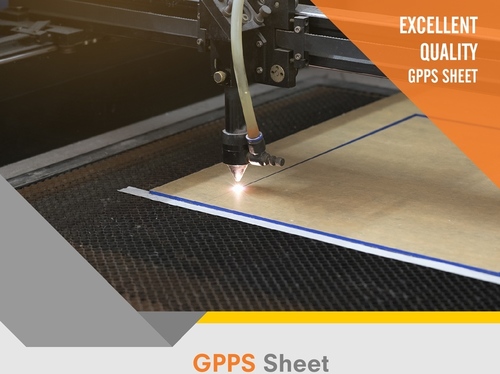
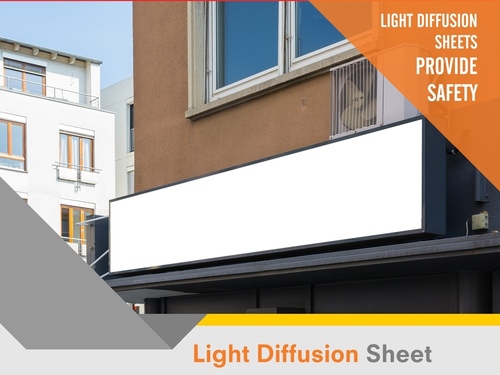
Versatile Applications and Simple ProcessingThese sheets can be used in advertising, sign boards, light diffusion, and crafts. The smooth surface and industrial grade quality allow for easy processing through extrusion or other fabrication techniques. The standardized size and thickness range enable effortless integration into a variety of projects, while the protective film on both sides ensures the product reaches you in prime condition.
Eco-Conscious Choice and Reliable SupplyThe GPPS acrylic sheets are fully recyclable, contributing to sustainable practices in industry and craft. Available from distributors, exporters, manufacturers, service providers, suppliers, and traders throughout India, these sheets are easily accessible for both large-scale and bespoke projects. Their industrial grade makes them the preferred choice for professional use.
FAQs of GPPS Acrylik Sheet:
Q: How are GPPS acrylic sheets typically processed for use in displays and signage?
A: GPPS acrylic sheets are most commonly processed through extrusion and other fabrication techniques such as cutting, drilling, and thermoforming. Their smooth surface and standard sizing allow for easy customization to fit various display and signage requirements.
Q: What benefits does the high light transmittance of GPPS acrylic sheets offer for advertising and craft applications?
A: With 92% light transmittance, GPPS acrylic sheets provide exceptional clarity and brightness, making them ideal for advertising displays, illuminated sign boards, and light diffusion panels in creative projects.
Q: When should you consider using GPPS acrylic sheets over other plastic sheets?
A: GPPS acrylic sheets are best chosen when you need high transparency, a smooth surface, good mechanical strength, and recyclability for industrial applications such as advertising, signage, and display but do not require strong flame retardancy or advanced UV resistance.
Q: Where can GPPS acrylic sheets be sourced in India?
A: They are widely available through authorized distributors, exporters, manufacturers, service providers, suppliers, and traders across India, offering convenient sourcing options for bulk and specialized requirements.
Q: What is the recommended maximum working temperature for these sheets and why does it matter?
A: The recommended maximum working temperature is 80C. Staying within this limit ensures that the sheet maintains its structural integrity and prevents warping or deformation during use in industrial and creative applications.
Q: How is the recyclability of GPPS acrylic sheets beneficial to users and the environment?
A: Being fully recyclable means GPPS acrylic sheets can be reused or repurposed after their initial lifecycle, reducing waste and supporting environmental sustainability in workshops and commercial settings.
Q: What protections are provided during shipping and handling of these sheets?
A: Each GPPS acrylic sheet is packed with a protective film on both sides, safeguarding the surface from scratches, dust, and minor abrasions during transport, handling, and storage.







 Send Inquiry


 Send Inquiry

 English
 Spanish
 French
 German
 Italian
 Chinese (Simplified)
 Japanese
 Korean
 Arabic
 Portuguese